Skip to content

CFD simulations of tunnels, metro and stations

In a tunnel, safety depends on which way the smoke goes. We model ventilation, smoke backlayering and evacuation conditions.

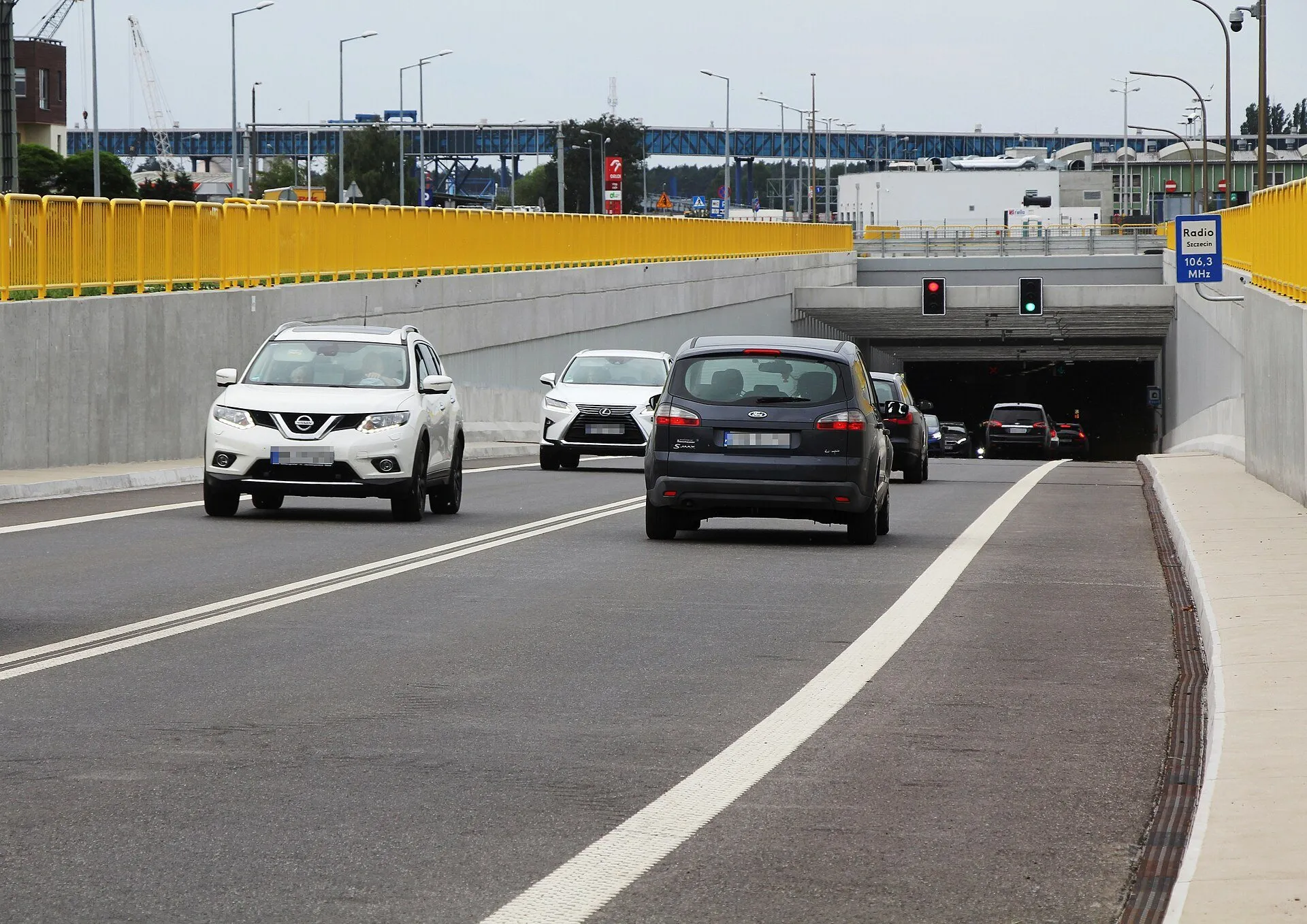
Entrance to the Świna tunnel in Świnoujście with the approach road
Świna Tunnel Świnoujście · Tunnel risk analysis

Selected infrastructure we have worked on

For critical infrastructure we describe each project as the client has presented it publicly. Details of the analyses stay with the client.

  • Entrance to the Świna tunnel in Świnoujście with the approach road

    Świna Tunnel

    Świnoujście

    Świnoujście2018–2019

    Świna Tunnel

    Road tunnel under the Świna strait

    Analysis
    Tunnel risk analysis
    Tool
    FDS + Pathfinder
    Bored section
    approx. 1.48 km
    Opened
    2023

    What we checked

    • Tunnel fire risk analysis
    • Smoke filling of the tunnel during a fire
    • CO concentration in the tunnel
    • Overpressure and ventilation control
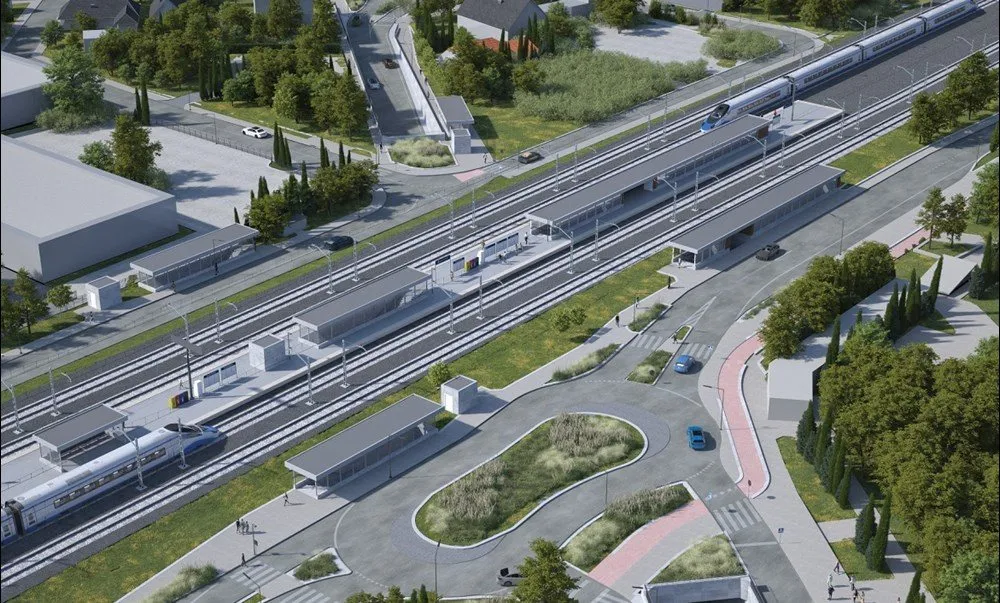
    Photo: Wikimedia Commons, photo by Nicola, CC BY-SA 4.0

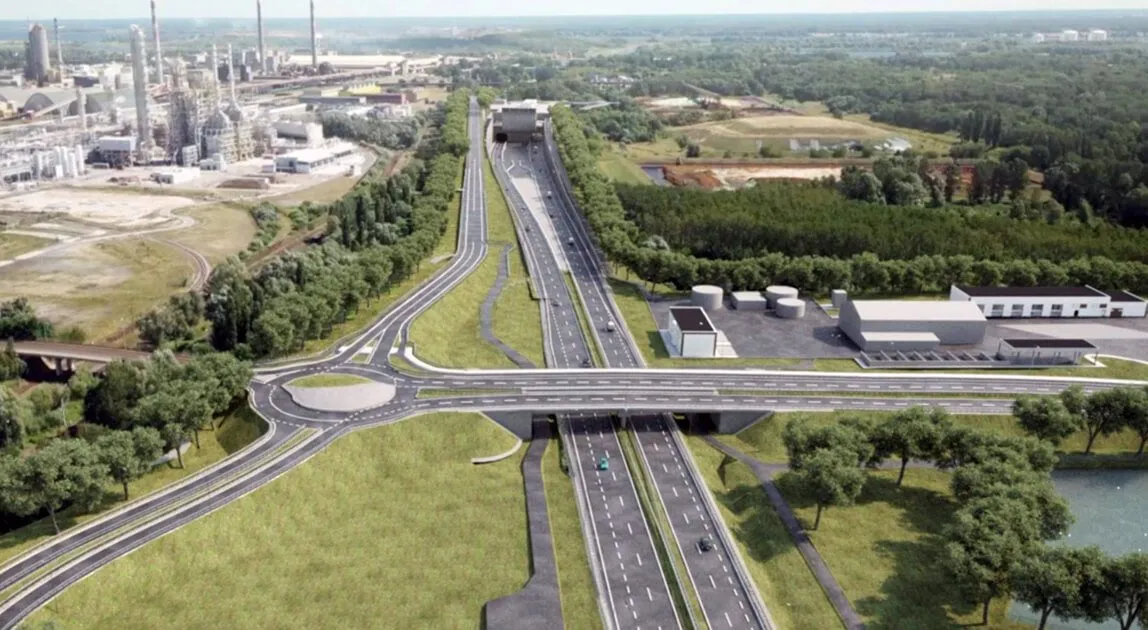
  • Visualisation of the road tunnel under the Oder on the S6 expressway

    S6 tunnel under the Oder

    Szczecin

    Szczecin2024

    S6 tunnel under the Oder

    Road tunnel, approx. 5 km

    Analysis
    Fire safety
    Tool
    Engineering analyses
    Tunnel diameter
    approx. 15 m
    Opening to traffic
    2033 (planned)

    What we checked

    • Fire safety analyses
    • Fire safety documentation support

    Visualisation: GDDKiA Szczecin branch, press material (via NBI)

  • Visualisation of the road tunnel under the railway in Warsaw's Rembertów district

    Rembertów tunnel

    Warsaw

    Warsaw2025–2026

    Rembertów tunnel

    Road tunnel under railway tracks, 140 m

    Analysis
    Fire safety
    Tool
    Engineering analyses

    What we checked

    • Fire safety analyses
    • Fire safety documentation support

    Visualisation: PKP Polskie Linie Kolejowe S.A., project visualisation

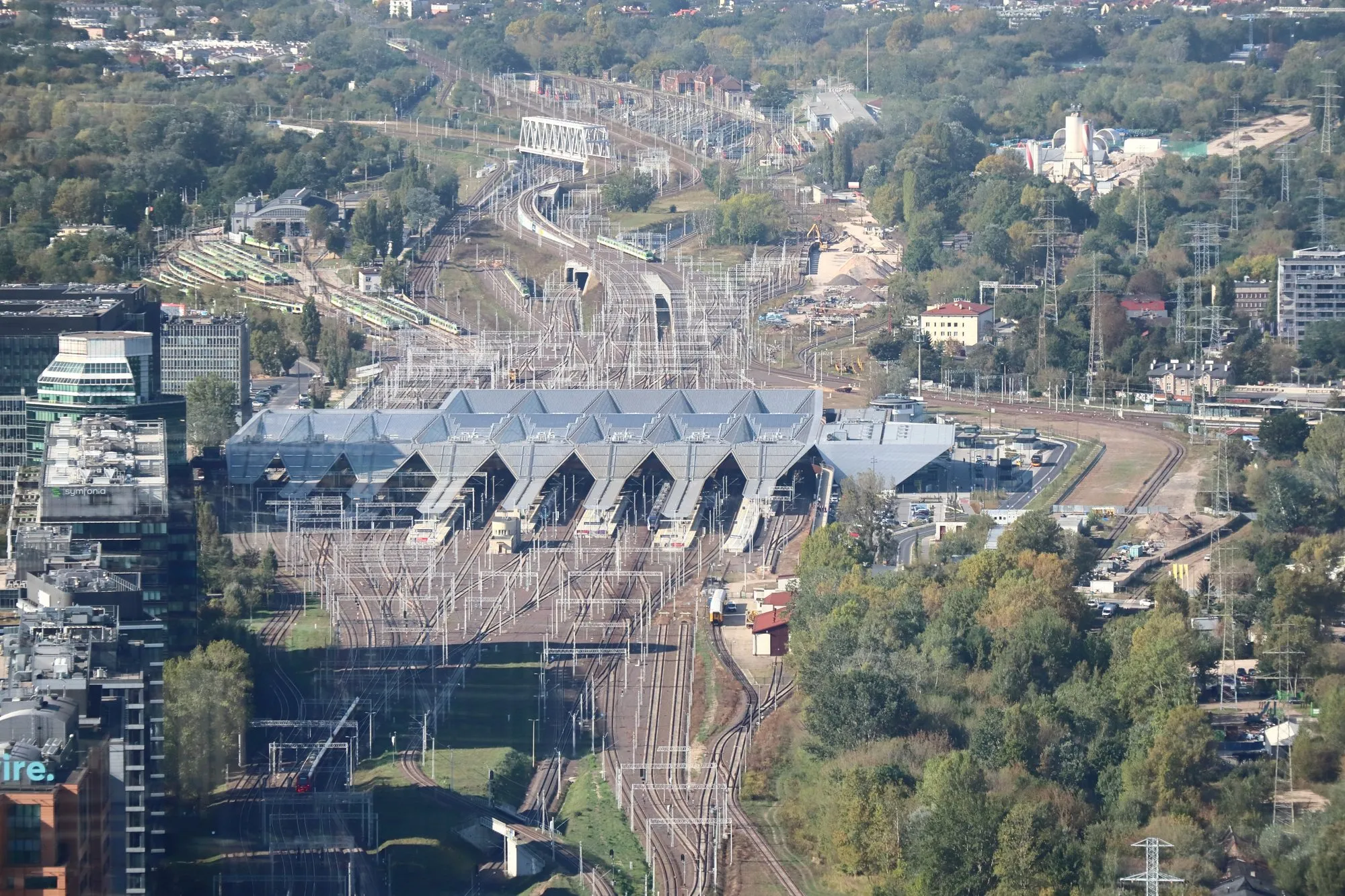
  • Platforms and canopies of Warszawa Zachodnia railway station after reconstruction

    Warszawa Zachodnia

    Warsaw

    Warsaw2021–2022

    Warszawa Zachodnia

    Railway station after reconstruction

    Analysis
    Fire safety
    Tool
    Engineering analyses

    What we checked

    • Fire safety analyses
    • Fire safety documentation support

    Photo: Wikimedia Commons, photo by Cybularny, CC0

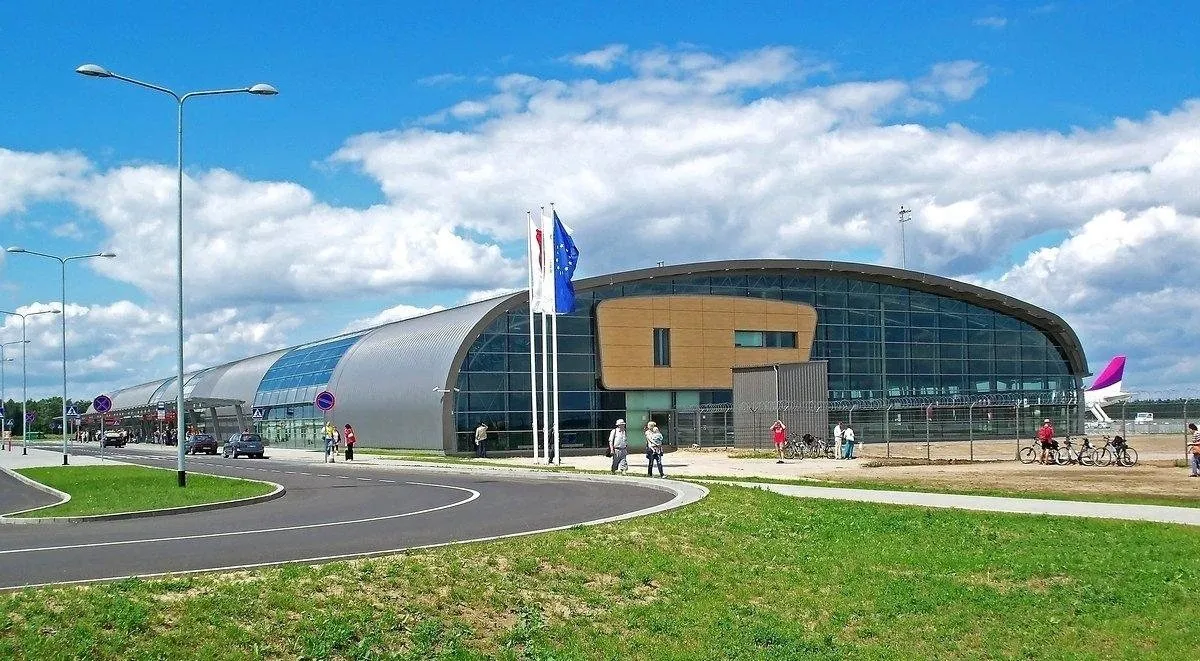
  • Passenger terminal of Warsaw Modlin Airport, seen from the apron

    Warsaw Modlin Airport

    Nowy Dwór Mazowiecki

    Nowy Dwór Mazowiecki2018

    Warsaw Modlin Airport

    Airport, passenger terminal

    Analysis
    Fire safety
    Tool
    Engineering analyses
    Capacity
    3–3.5 million passengers a year
    Opened
    2012

    What we checked

    • Fire safety analyses
    • Fire safety documentation support

    Photo: Wikimedia Commons, photo by Rado-NDM / fotopolska.eu, CC BY-SA 3.0

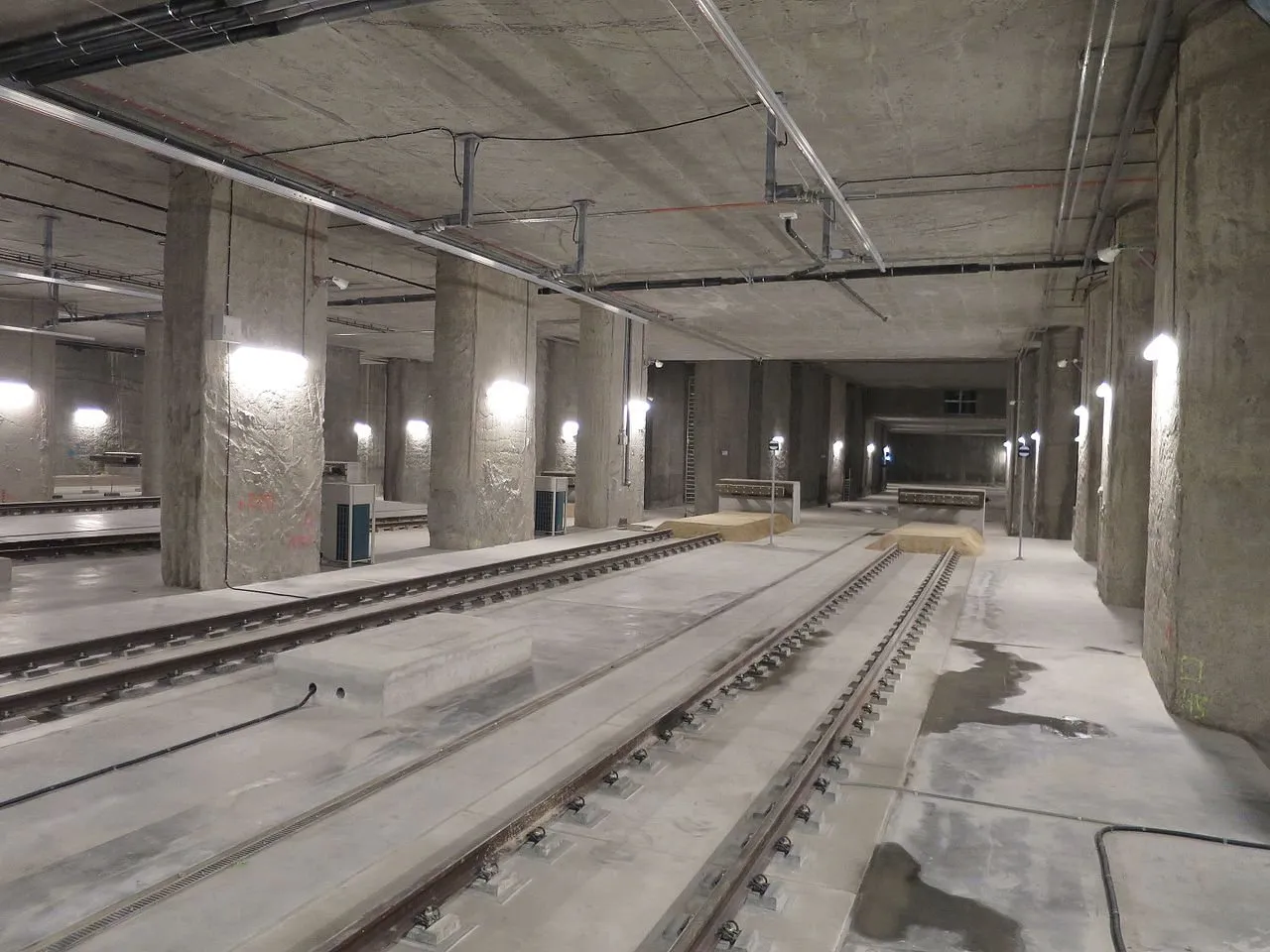
  • Inside the railway tunnel at Łódź Fabryczna station

    Cross-city rail tunnel

    Łódź

    Łódź2018–2019

    Cross-city rail tunnel

    Double-track railway tunnel

    Analysis
    Fire safety
    Tool
    Engineering analyses
    TBM cutterhead diameter
    13.04 m

    What we checked

    • Fire safety analyses
    • Fire safety documentation support

    Photo: Wikimedia Commons, photo by Travelarz, CC BY-SA 3.0 pl

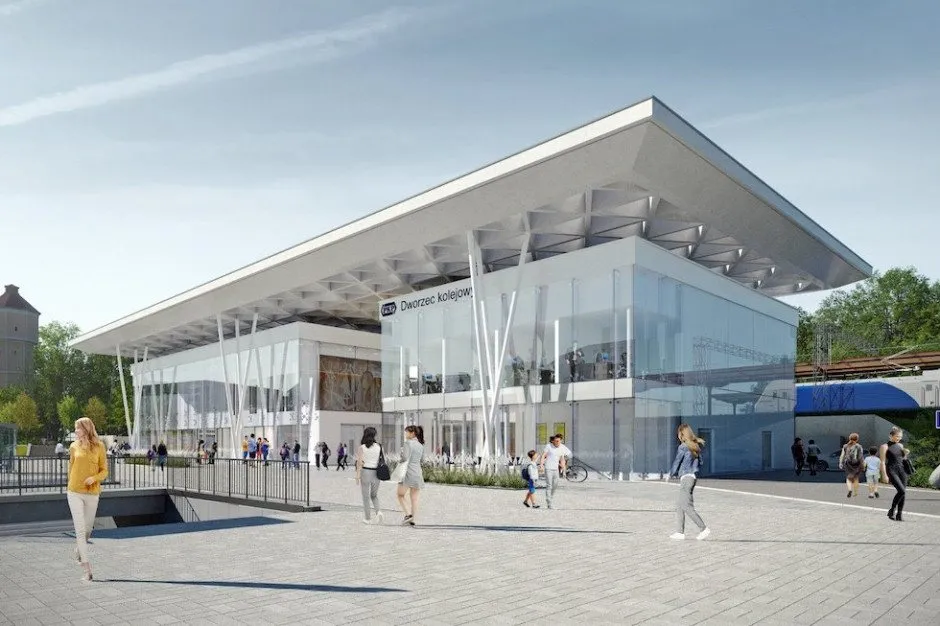
  • Visualisation of the new Koszalin railway station with its openwork roof

    Koszalin railway station

    Koszalin

    Koszalin2021

    Koszalin railway station

    Railway station with an under-platform tunnel

    Analysis
    Under-platform tunnel
    Tool
    FDS

    What we checked

    • Fire protection of the under-platform tunnel
    • Escape routes from the underpass

    Visualisation: visualisation by PKP/TBiArchitekci, via portalsamorzadowy.pl

What a tunnel simulation shows

A tunnel is long and narrow, with two ends. A fire inside turns it into a chimney, and whether people can get out depends on the ventilation.

Longitudinal ventilation and critical velocity
We check whether the airflow holds the smoke on one side of the fire and prevents it from backlayering under the roof.
Evacuation to cross-passages
We combine the CFD result with an evacuation simulation: how much time people have and how much they need to reach an exit.
Stations and underground passages
On platforms, mezzanines and in passages we assess the smoke layer and the airflow towards the exits.
Emergency service access
We check from which side, and in what conditions, the fire service can approach the fire.

Discretion is part of the job

On tunnels, metro, rail and airports we work for clients who do not publish the details of their fire safety systems. That is why this page describes projects only as they have been presented publicly, and the results of the analyses stay with the client.

All our clients can expect the same: the report belongs to the client, and we talk about a project only to the extent the client has agreed to.

Long model, parallel computing

A tunnel model is hundreds of metres long and needs a fine mesh around the fire source. We split it into sections run simultaneously on our servers, so ventilation options are compared in days rather than weeks.

  1. 300 multi-threaded processors in our own server room. We do not rent this capacity; it is available immediately.
  2. In parallel we run many buildings at the same time, so a new project never waits in a queue for a free machine.
  3. WizFDS our own software for building FDS models. It shortens the most laborious part of the simulation work.
  4. CFD team a department trained for one task: simulation. It does not split its time across other services.

FAQ

Frequently asked questions

What is critical velocity in a tunnel?

The lowest air velocity at which smoke does not backlayer under the roof against the ventilation flow. A CFD simulation shows whether the designed ventilation achieves it for the given fire size and tunnel geometry.

Do you model evacuation from tunnels?

Yes. We combine the evacuation simulation with the CFD result to compare the time needed to reach a cross-passage or an exit with the time during which conditions in the tunnel still allow escape.

Do you simulate metro and railway stations?

Yes: platforms, mezzanines, station concourses and underground passages. In project descriptions we give only the information the client has made public.

How do we start working together on an infrastructure project?

Ideally with a conversation about the scope and the scenario assumptions. On that basis we prepare a proposal with a calculation schedule matched to the design stage.

Need a simulation by a specific date?

Send the plans and a description of the ventilation system. We will reply with the scope, the number of scenarios and the report date.